Smart Solar Microgrids
Smart solar microgrids represent an innovative approach to energy management, enabling homes in the UK to leverage renewable energy sources efficiently. These systems consist of several key components, including solar panels, advanced batteries known as solar battery storage innovations, and electric vehicle (EV) chargers, all working in unity to enhance domestic energy independence. The growing adoption of home microgrid technology is reshaping how households source and consume their electricity.
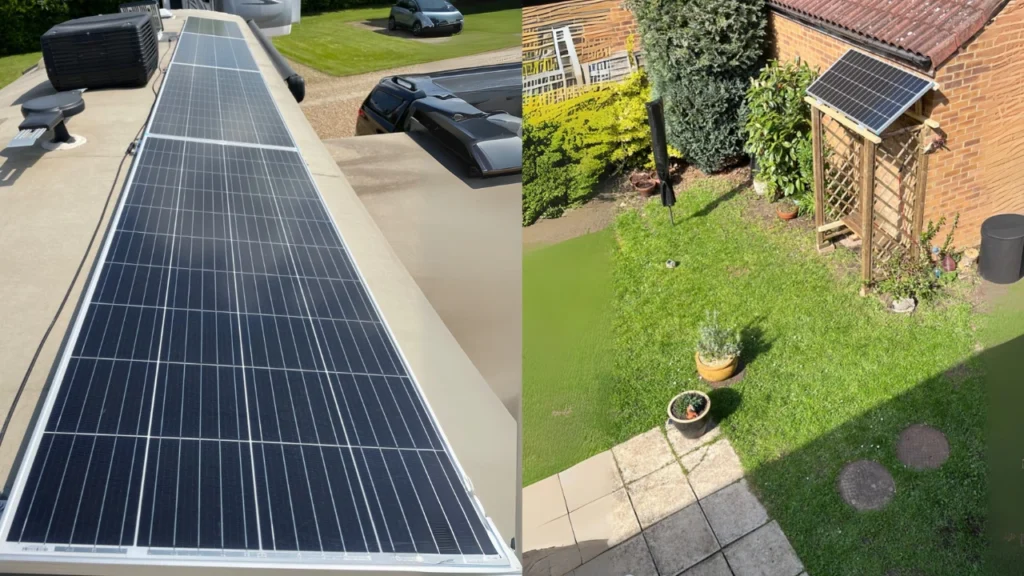
At their core, smart solar microgrids operate as localized energy networks that can operate independently or integrate with the broader grid. The solar panels harness sunlight, converting it into usable electricity that can either be consumed immediately or stored for later use. This degree of control allows homeowners to optimize their energy consumption while reducing reliance on non-renewable energy sources, further contributing to sustainability goals.
Additionally, the integration of solar battery storage innovations in these systems ensures that excess energy generated during peak sunlight hours is not wasted. Homeowners can store this surplus energy and utilize it when solar production diminishes, such as during the night or on cloudy days. This capability enhances energy efficiency and contributes to a more stable and reliable home energy supply.
Moreover, with the incorporation of electric vehicle chargers into smart solar microgrids, homeowners can charge their vehicles using the clean energy produced by their solar panels. This development not only mitigates the carbon footprint associated with traditional fuel sources but also promotes greater adoption of electric vehicles, aligning with global efforts towards eco-friendly transportation.
Overall, the emergence of virtual power plant systems is further enhancing the practicality of smart solar microgrids. These systems aggregate excess energy from multiple homes, effectively turning them into mini power plants that can support the grid when needed. This collaborative energy model underscores the significant role that smart solar microgrids play in the transition towards a more resilient and sustainable energy future.
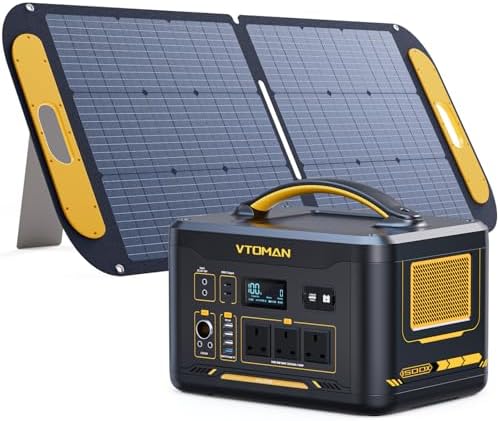
Harness clean energy for your home with this high-efficiency solar kit!
The Benefits of Neighbourhood-Scale Energy Systems
Implementing neighbourhood-scale energy systems that utilize home microgrid technology, particularly smart solar microgrids, presents various advantages that benefit both households and the broader community. One of the primary benefits is improved energy efficiency. These systems enable local energy generation, reducing transmission losses associated with traditional energy sources. By harnessing solar power effectively, households can optimize their energy consumption, utilizing solar battery storage innovations to store excess energy for later use.
Another significant advantage is enhanced resilience against power outages. Neighbourhood-scale energy systems are designed to function independently from the main power grid. In situations where conventional power supplies fail due to natural disasters or maintenance issues, smart solar microgrids remain operational, ensuring that essential services stay connected. This ability to create a ‘virtual power plant system’ at the community level ensures that energy resources are well-distributed, offering peace of mind during emergencies.
Furthermore, economic factors play a crucial role in the adoption of these systems. Households can experience substantial savings on their energy bills by investing in solar microgrids. With the potential for generating their own power, families are less reliant on expensive grid energy, contributing to domestic energy independence. Examples from various UK neighborhoods illustrate these benefits; for instance, areas that have transitioned to smart solar microgrids report savings of up to 30% on energy costs, while improving their carbon footprint.
Additionally, the environmental impact of implementing smart solar microgrids cannot be overstated. Utilizing clean, renewable energy reduces reliance on fossil fuels, thereby decreasing greenhouse gas emissions. As communities increasingly adopt neighbourhood-scale energy systems, they collectively contribute to a healthier environment, supporting the global push for sustainability and energy transition. In conclusion, the advantages of these systems extend beyond individual households, fostering resilient, economically-savvy, and environmentally-friendly communities.
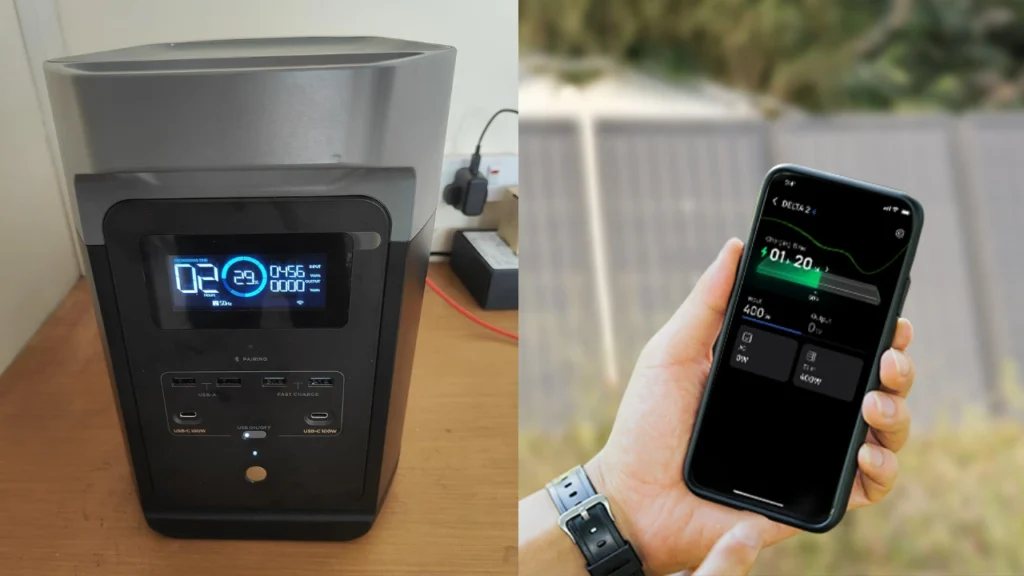
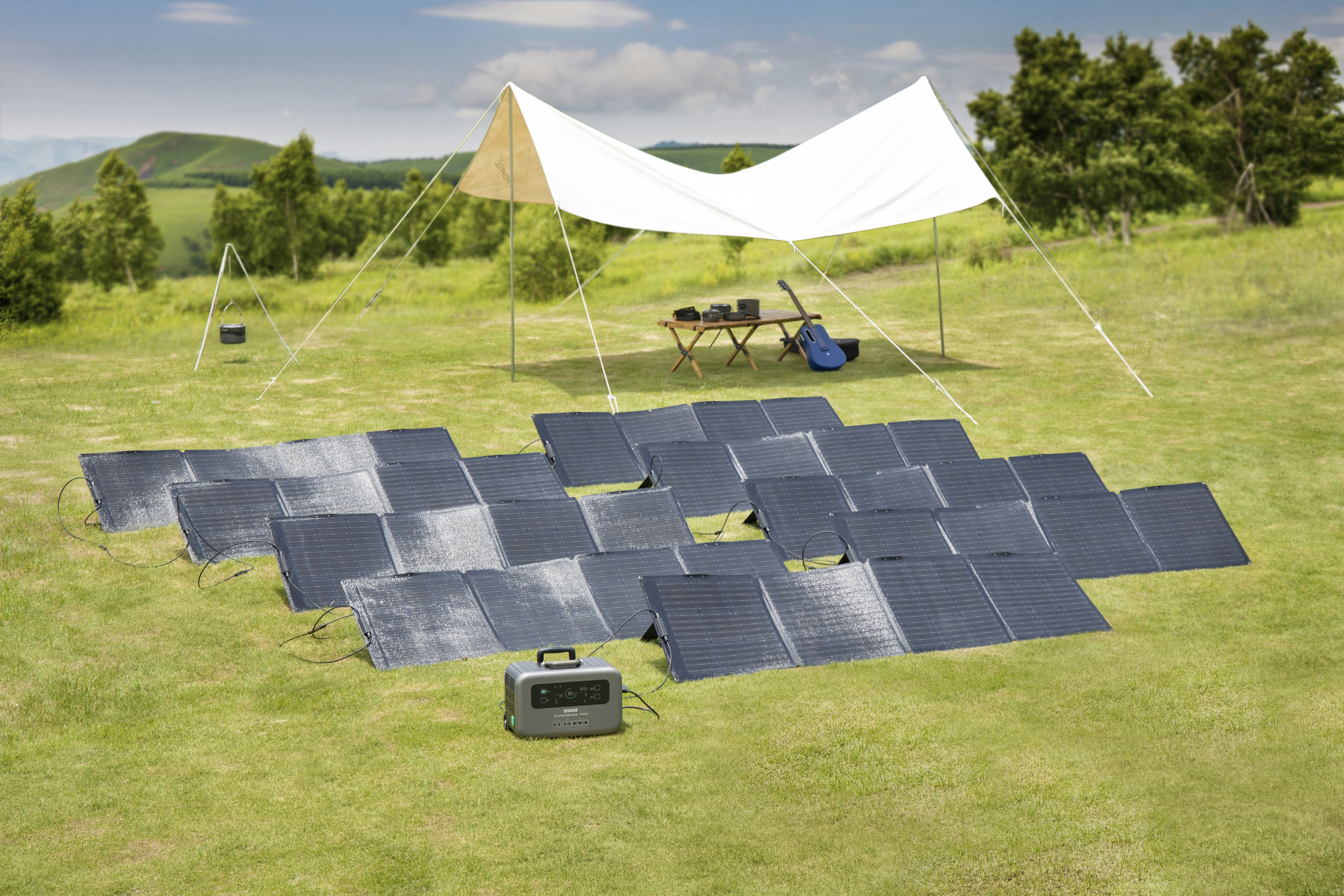
Store surplus solar energy and keep your home running during outages!
Creative Strategies for Promoting Sustainable Energy Solutions
The emergence of home microgrid technology has stimulated increased creativity among educators and freelancers aiming to promote innovative energy solutions, particularly in relation to smart solar microgrids. For individuals looking to develop courses or products centered on this sustainable energy technology, practical guidelines in video content creation, user experience (UX) design, and ambient design can significantly enhance engagement and comprehension.
Using storytelling techniques is crucial in capturing the audience’s interest and demonstrating the benefits of solar battery storage innovation and domestic energy independence. By framing narratives around real-life applications of smart solar microgrids, educators can help potential users visualize how these technologies can transform their energy use. Highlighting personal success stories or case studies that showcase the advantages of virtual power plant systems can foster a stronger emotional connection.
Incorporating engaging visuals in promotional materials is equally important. High-quality video content that utilizes dynamic graphics, animations, and simulations can effectively illustrate the functionality and benefits of home microgrid technology. This multimedia approach not only aids in simplifying complex concepts but also makes the content more accessible and enticing to a broad audience.
User-centric designs are essential for ensuring that educational content resonates with the target demographic. By applying UX design principles, creatives can develop intuitive interfaces that allow users to navigate information related to smart solar microgrid technologies smoothly. Consideration for user needs and preferences will enhance their overall experience, thereby increasing the likelihood of engagement and retention of information.
Additionally, promoting courses and products through social media platforms and online forums dedicated to sustainable energy can widen the outreach significantly. As awareness of renewable energy solutions grows, tailored messaging that touches on the importance of energy independence can make a compelling case for adopting these innovative technologies. In conclusion, by employing effective storytelling, captivating visuals, and strategic distribution, creators can play a pivotal role in advocating for the transformative potential of smart solar microgrids.
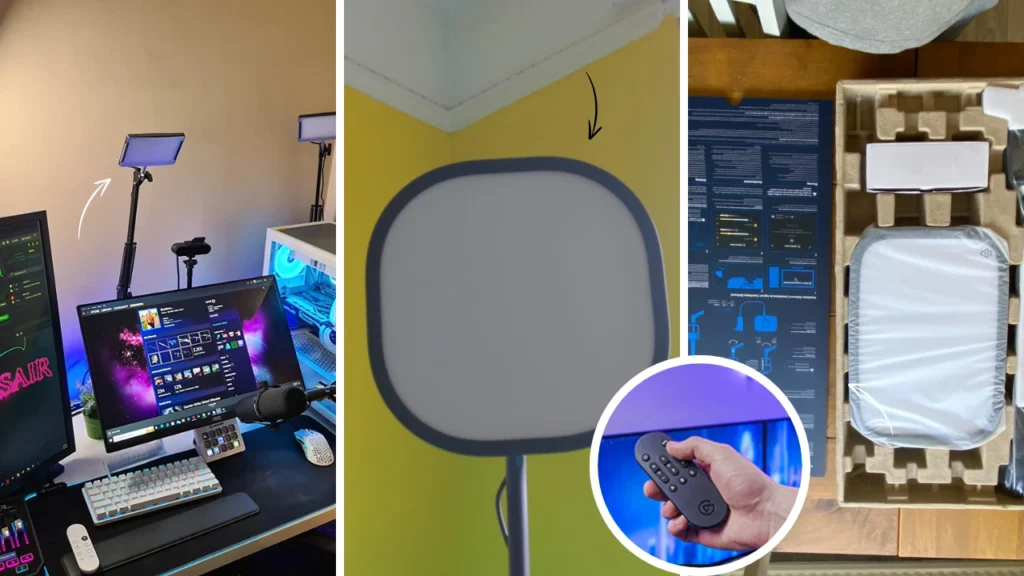
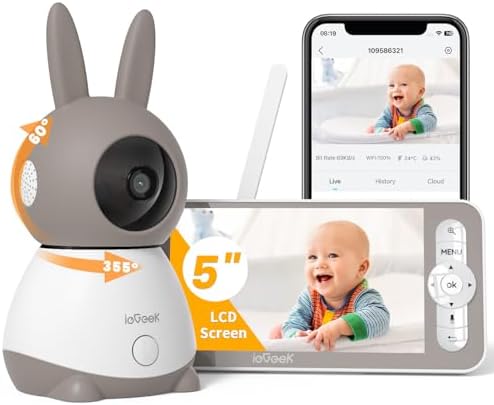
Illuminate your video projects for a professional, engaging presentation!
Future Prospects and Innovations in Home Energy
As the focus on sustainable energy continues to intensify, the future of home microgrid technology presents numerous exciting prospects for UK residents. Innovations in smart solar microgrids and solar battery storage are at the forefront of this evolution, offering opportunities for enhanced energy efficiency, lower costs, and increased domestic energy independence. The integration of these technologies allows homeowners to harness solar energy effectively, manage their energy consumption, and reduce reliance on conventional energy sources.
Emerging trends in energy systems, including the implementation of virtual power plant systems, are set to revolutionize how energy is generated, distributed, and consumed at a local level. By connecting multiple smart solar microgrids, homeowners can collectively manage energy production and consumption, sharing surplus energy within their community. This collaborative approach not only fosters energy resilience but also promotes community engagement in the transition towards sustainable living. Increased accessibility to solar battery storage innovation ensures that households can maximize their use of renewable energy, storing excess solar generation for use during peak demand periods.
Policy also plays a critical role in shaping the future landscape of home energy systems. As government initiatives and incentives promote the adoption of renewable energy technologies, homeowners will have greater motivation and resources to invest in smart microgrid installations. Furthermore, ongoing technological advancements will continue to enhance the performance and affordability of solar energy solutions, making them increasingly viable for a wider audience. Educational campaigns focused on raising awareness about the benefits of home energy independence will also empower homeowners to embrace these changes.
In conclusion, the interplay of policy, community efforts, and technological advancements will significantly influence the development of home microgrid technology. By staying informed and active in this evolving landscape, UK residents can not only enhance their own living conditions but also contribute to the broader efforts aimed at achieving a sustainable energy future.
Ready to power your home with the future of energy? Check out the Amazon products below—smart batteries and accessories that bring you closer to a sustainable, self-sufficient lifestyle.