Explore the top NHS digital health innovations transforming UK healthcare, from AI monitoring to remote patient care solutions.
Top NHS Digital Health Innovations Changing UK Healthcare
The NHS digital transformation is rapidly reshaping UK healthcare by introducing innovative technologies that improve patient outcomes, reduce waiting times, and increase operational efficiency. From AI-powered health monitoring to advanced virtual care platforms, these innovations are ensuring that healthcare in the UK is more accessible, data-driven, and personalised than ever before. In this article, we highlight the top NHS digital health innovations driving change and setting the benchmark for modern healthcare systems worldwide.
1. Conversational AI Wearables
Conversational AI wearables are revolutionising patient care within the NHS by providing real-time health monitoring, personalised alerts, and seamless communication between patients and healthcare providers. These devices — from smartwatches to voice-enabled medical wearables — allow continuous tracking of vital signs such as heart rate, oxygen saturation, and sleep patterns.
Unlike traditional devices, AI-powered health wearables can analyse the data instantly, detect irregularities, and alert both patients and clinicians before a health crisis occurs. Their integration with NHS health tech systems ensures that all collected data is securely stored, easily accessible, and compatible with existing patient records.
💡 This proactive approach to care is reducing hospital admissions, improving chronic disease management, and empowering patients to take control of their own health.
📌 Learn more in our full guide on Conversational AI Wearables in the NHS.
2. Remote Patient Monitoring Platforms
Remote patient monitoring (RPM) solutions are enabling NHS clinicians to oversee patient health without requiring in-person visits. These platforms use connected devices to collect real-time health data from patients in their own homes, making healthcare more accessible for those with mobility issues or chronic illnesses.
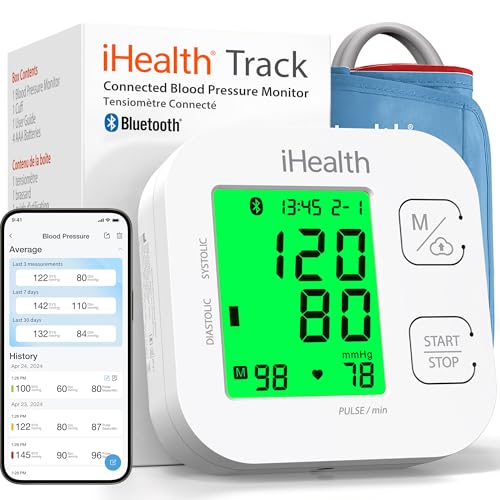
For example, NHS remote health platforms can track blood pressure, blood glucose, and respiratory patterns, automatically sending alerts if readings fall outside safe ranges. This allows for earlier interventions, better adherence to treatment plans, and reduced pressure on hospital resources.
With the growing emphasis on digital-first healthcare, RPM is becoming an essential tool for maintaining continuous patient engagement while reducing costs.
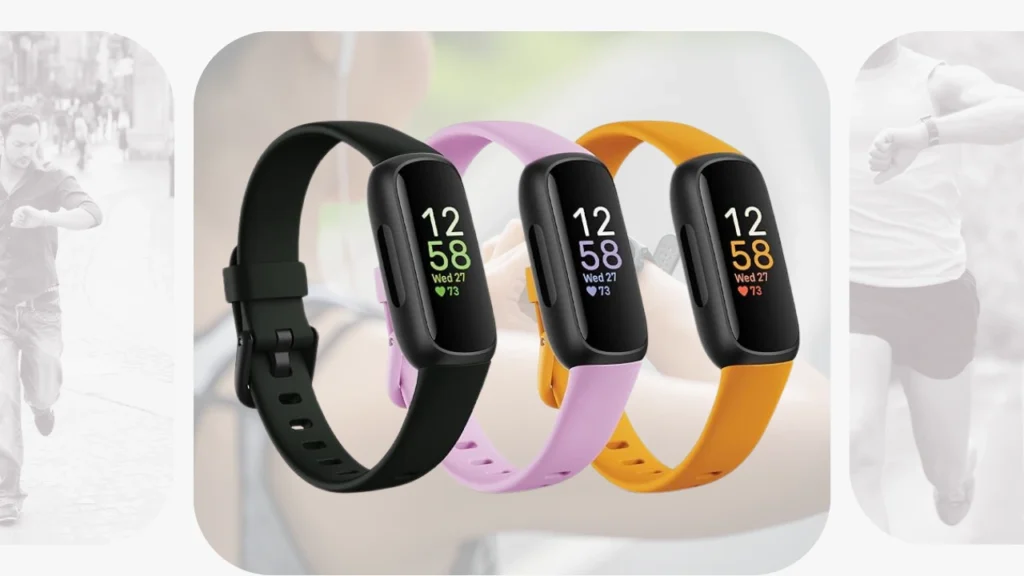
Track heart rate, sleep, and activity to support better health outcomes!
3. AI Diagnostic Tools
The NHS is increasingly adopting AI-powered diagnostic technologies that can analyse medical images, pathology reports, and patient histories at remarkable speed and accuracy. Machine learning algorithms are now capable of detecting early signs of diseases such as cancer, heart disease, and diabetic retinopathy — often before symptoms become visible to the patient.
These AI diagnostic systems assist doctors in confirming diagnoses, predicting disease progression, and recommending tailored treatment plans. By integrating with NHS digital health records, they ensure that healthcare professionals can make faster, more informed decisions.
This shift towards predictive and preventive medicine is not only improving patient survival rates but also optimising resource allocation within the NHS.
4. NHS Mobile Health Apps
Mobile applications such as the official NHS App are transforming patient engagement by offering direct access to health services from any smartphone. Through these apps, patients can view their medical history, request repeat prescriptions, book appointments, and even receive personalised health advice.
By incorporating secure login systems and GDPR-compliant data protection, these NHS mobile health apps provide a safe and convenient way for patients to manage their healthcare. Additionally, push notifications remind patients about medication schedules, vaccinations, and screening appointments, boosting overall health compliance.
The accessibility and user-friendly design of these apps are key factors in improving patient satisfaction and reducing missed appointments.
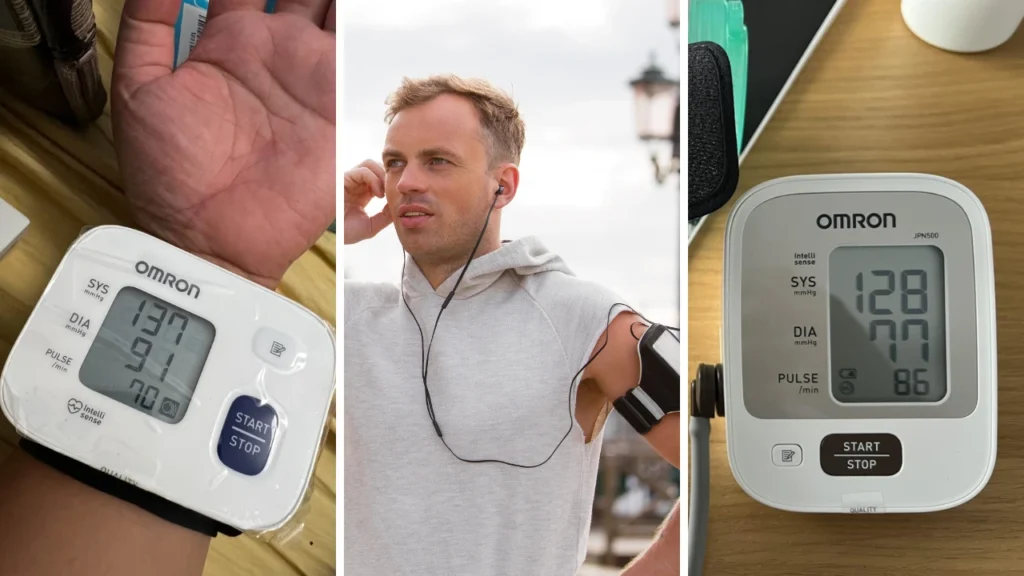
Get detailed heart health readings with professional-level accuracy!
5. Electronic Prescription Services (EPS)
The Electronic Prescription Service (EPS) streamlines the prescribing process by allowing doctors to send prescriptions directly to a pharmacy of the patient’s choice. This eliminates the need for paper prescriptions, reducing administrative workloads and improving prescription accuracy.Integrated into NHS health IT systems, EPS ensures that prescription data is stored securely and can be easily updated or renewed. It also speeds up the dispensing process, meaning patients can receive medication faster — a critical factor for those managing chronic conditions.By reducing paperwork and human error, EPS technology is improving efficiency across NHS pharmacies and GP practices.
6. Virtual Reality (VR) for Patient Care
The NHS is exploring virtual reality (VR) technologies to enhance patient care in areas such as pain management, physical rehabilitation, and mental health treatment. VR therapy sessions can reduce patient anxiety before surgery, assist stroke patients in regaining motor skills, and provide immersive relaxation environments for those undergoing long-term treatments.
These VR health solutions are proving particularly valuable in mental health care, offering safe, controlled environments for exposure therapy and mindfulness training. With the growing integration of NHS digital health tools, VR is expected to play a larger role in personalised treatment plans.
The Future of NHS Digital Health
As the NHS continues to adopt cutting-edge digital health innovations, the focus will shift toward preventive care, patient empowerment, and system-wide efficiency. From AI diagnostic tools to conversational AI wearables, these technologies are creating a smarter, more connected healthcare system that benefits both patients and professionals.
Command Your Health: Shop AI-Powered Wellness Wearables on Amazon UK Now!