Understanding Smart Lighting Trends
The emergence of smart lighting trends in the UK marks a significant transformation in the approach to interior lighting. One of the most notable innovations is the introduction of circadian lighting solutions. These products are designed to align with the body’s natural biological clock, enhancing well-being by mimicking the natural light spectrum throughout the day. This growing focus on circadian-friendly bulbs indicates a shift in understanding how light impacts human health, ultimately promoting better mood design and productivity.
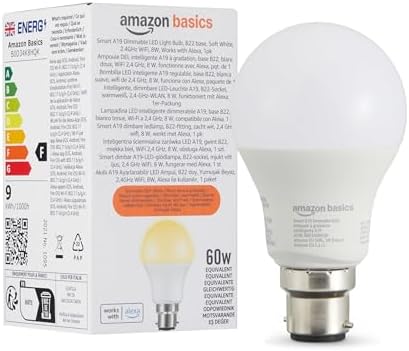
Another key trend is the adoption of energy-saving smart bulbs in UK homes. These bulbs not only provide improved energy efficiency but also offer users the ability to control brightness and color temperature remotely. As energy conservation becomes increasingly important, integrating such solutions helps reduce energy consumption without sacrificing the quality of light in living spaces. This ties into the broader trend of sustainability, where consumers are looking for fixtures that use fewer resources while still delivering optimal performance.
Additionally, products like the Philips Hue Wall Washer UK are redefining interior lighting aesthetics. These fixtures serve not just a functional purpose but also enhance the visual appeal of spaces through creative lighting designs. They allow for more versatility in how light is used within interiors, making it possible to create different moods and ambiances suited to various occasions. Such adaptability is essential for modern living as individuals seek personalized environments that support their daily activities.
Moreover, the trend of light pollution reduction lighting in the UK is gaining traction as urban dwellers become more aware of the negative impacts excessive artificial light can have on both health and the environment. The integration of smart lighting technology that prioritizes these aspects not only benefits individual users but also contributes to the wider community by promoting sustainable practices.
As these trends continue to evolve, they significantly reshape our approach to interior design, making smart lighting an essential component in enhancing wellness through light.
The Role of Circadian-Friendly Bulbs in Wellness
Circadian-friendly bulbs play a crucial role in the evolving landscape of smart lighting trends in the UK, particularly in terms of enhancing wellness and design. These innovative lighting solutions are engineered to mimic natural daylight patterns, which significantly impact sleep quality, productivity, and overall wellness. By aligning their output with the body’s natural circadian rhythms, circadian lighting uk promotes healthier lifestyle choices and improves mood.
The science behind circadian lighting revolves around the body’s biological clock, which is influenced by exposure to light. Morning light exposure boosts alertness and mood, while reduced lighting in the evening prepares the body for sleep. Therefore, implementing circadian-friendly bulbs in homes can lead to improvements in sleep quality and daytime alertness, making them a valuable investment for homeowners seeking to enhance their living environments.
To effectively incorporate circadian-friendly bulbs into home interiors, it is essential to identify key areas where lighting can have a significant impact. Bedrooms, for instance, benefit from warm-toned light in the evening to create a cozy atmosphere conducive to relaxation. Conversely, areas like home offices or kitchens can utilize cooler, brighter lighting in the morning to stimulate productivity and motivation. For those exploring options in the UK, the Philips Hue wall washer uk offers customizable lighting scenarios that cater to different times of the day, further enhancing the effectiveness of circadian lighting.
Moreover, energy-saving smart bulbs uk represent another facet of these solutions, combining efficiency with wellness benefits. As homeowners become more conscious of light pollution reduction lighting uk, the move towards circadian-friendly bulbs not only enhances personal wellbeing but also contributes towards a broader initiative of creating healthier living spaces. By prioritizing quality lighting, individuals can cultivate environments that support their overall health and mood.
Sustainable Fixtures: Efficiency Meets Aesthetics
As the UK sees a growing embrace of sustainable fixtures, it is essential to understand the intersection of efficiency and aesthetics in lighting design. The emergence of eco-friendly materials and stylish designs in this domain highlights the crucial role sustainable lighting plays in enhancing interiors while minimizing environmental impact. Smart lighting trends in the UK for 2025 indicate a rising demand for products that not only serve functional purposes but also contribute positively to the ecosystem.
Among the various options available, energy-saving smart bulbs in the UK stand out as a popular choice. These bulbs, designed to consume less energy while providing ample illumination, are often compatible with systems like Philips Hue wall washers in the UK. Such fixtures offer both aesthetic appeal and energy efficiency, allowing homeowners to create dynamic lighting environments without exacerbating light pollution. This harmonious balance between design and functionality ensures that lighting remains not just a practical necessity but a means to elevate overall ambiance.
Additionally, circadian lighting in the UK focuses on creating environments that align with our natural rhythms. By utilizing fixtures that emulate the sun’s changing light throughout the day, homeowners can promote wellness and productivity in their spaces. This approach not only supports health-conscious living but also addresses the need for light pollution reduction through thoughtful placement and controlled brightness levels.
When considering sustainable fixtures, consumers should look for certifications such as Energy Star or equivalent labels that signify energy efficiency. Moreover, exploring local suppliers can often lead to unique choices crafted from reclaimed or eco-friendly materials, adding character to interiors. Combining these insights with personal style can lead to informed decisions that harmonize aesthetics with environmental responsibility.
In conclusion, the integration of sustainable lighting fixtures in UK homes reflects a significant shift towards responsible design, balancing style with energy conservation and ecological mindfulness.
Monetizing Skills with Affiliate Links in Design Services
As smart lighting trends in the UK continue to evolve, creative freelancers and design enthusiasts have a unique opportunity not only to enhance living spaces but also to monetize their skills effectively. With the rising popularity of energy-saving smart bulbs and the demand for innovative solutions like circadian lighting, individuals can create courses or offer design services that cater to the increased interest in these areas.
One effective strategy to monetize this knowledge is by developing online courses focused on smart lighting solutions. For instance, courses that teach homeowners about the installation and benefits of products like the Philips Hue wall washer can attract those looking to enhance their interiors while being mindful of light pollution reduction. Platforms like Udemy or Skillshare provide established marketplaces where educators can promote their expertise in smart lighting trends, making it easy to reach a broad audience.
Additionally, freelancers can offer personalized design services that incorporate contemporary smart lighting solutions. By showcasing familiarity with trends such as circadian lighting in the UK, professionals can provide tailored designs that promote wellness, ultimately enriching the lives of their clients. Effective marketing is crucial in this endeavor; therefore, utilizing social media channels to share engaging content, such as before-and-after lighting transformations or informative posts about the benefits of different lighting designs, can help attract prospective clients.
Furthermore, integrating affiliate links within blog content, social media posts, and course materials enables freelancers to generate passive income. By featuring energy-saving smart bulbs or other relevant products, you can earn commissions while providing valuable recommendations. Targeting specific audiences, such as interior design enthusiasts or environmentally conscious consumers, enhances engagement and increases conversion rates.
In conclusion, leveraging knowledge about UK smart lighting trends can provide a fruitful avenue for freelancers and homeowners alike. By creating and promoting relevant courses or services, while strategically using affiliate links, individuals can monetize their skills effectively in a growing market.