The Rise of Hybrid Workspaces
The concept of hybrid workspaces has witnessed significant evolution in recent years, driven primarily by technological advancements and shifting workplace dynamics. The emergence of smart home office tech and the integration of IoT work environments have made it increasingly feasible for employees to remain productive while working remotely. These advancements allow for seamless communication and collaboration, breaking the traditional boundaries of the workplace.
One notable factor contributing to the rise of hybrid workspaces is the demand for flexibility. Employees are seeking arrangements that allow them to choose where and how they work best, whether from the office or the comfort of their own homes. As a result, organizations have begun to adopt strategies that accommodate this desire for flexibility, leading to the establishment of activity-based remote workspaces. This design philosophy enables teams to collaborate in person when necessary while also empowering individuals to execute their tasks in a manner that aligns with their personal preferences.
Additionally, the relationship between work-life balance and employee satisfaction cannot be overstated. Hybrid workspaces support this balance by allowing workers to integrate their professional responsibilities with personal commitments more effectively. Flexible work zone automation ensures that work environments can adapt to different tasks and needs, further enhancing productivity and satisfaction.
Furthermore, enhanced collaboration opportunities characterize the modern hybrid workspace. Innovative technologies facilitate communication and coordination among team members, whether they are in the office or working remotely. Together, these factors contribute to the growth and success of the hybrid workspace model, showcasing its integral role in reshaping the future of work.
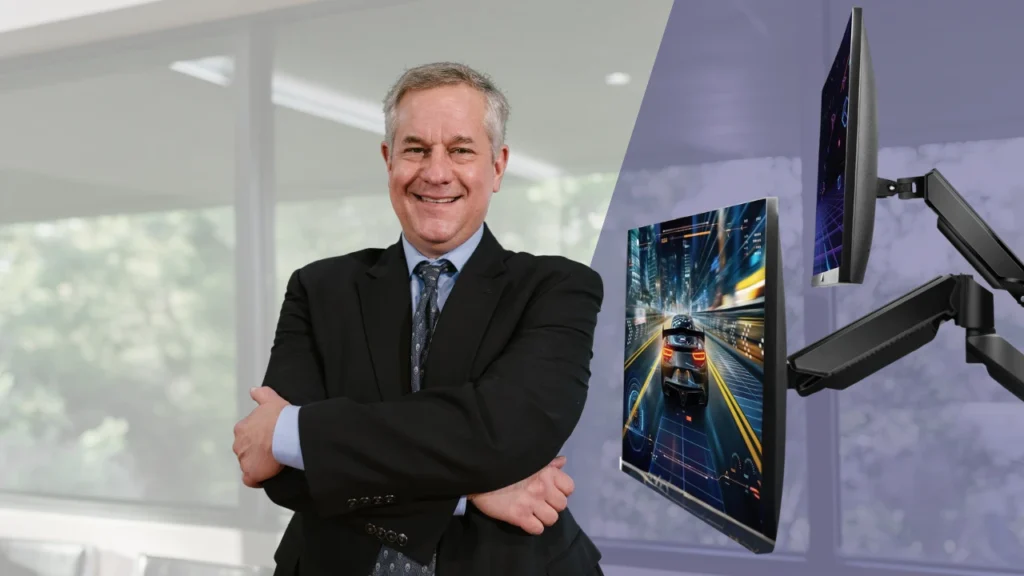
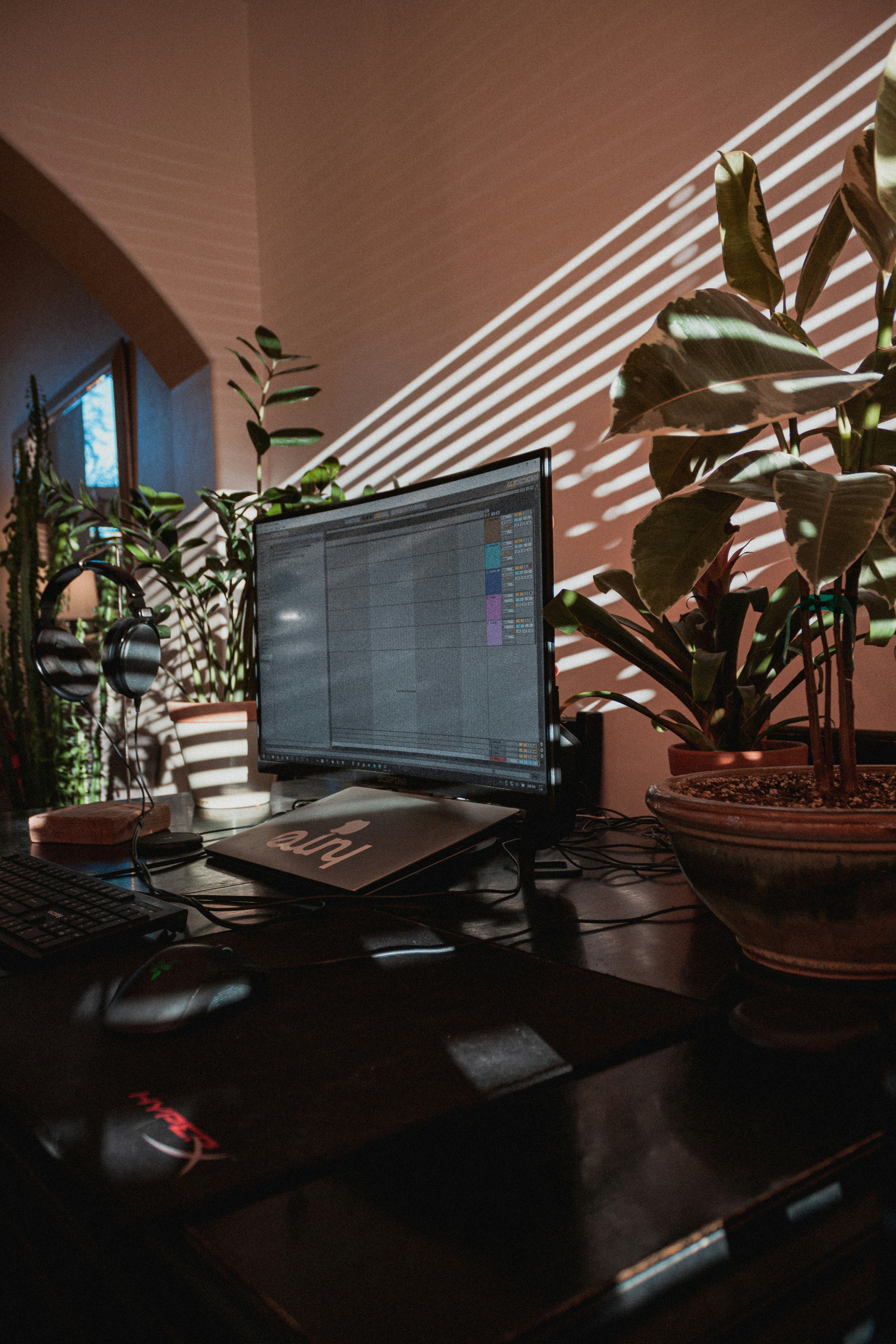
Optimise comfort and posture with a fully adjustable monitor setup!
Smart Zoning: Designing with Purpose
The concept of smart zoning in AI hybrid workspace design plays a crucial role in shaping modern work environments that are not only efficient but also cater to the varied needs of employees. Implementing smart zoning involves utilizing AI and data-driven design principles to create distinct areas within a workspace, each tailored to support specific activities, whether it be concentration, collaboration, or relaxation. This intentional organization of space allows for a more optimal use of both the physical and digital work environment.
For instance, companies are increasingly adopting flexible work zone automation to create dedicated zones for tasks requiring high focus. These areas are equipped with soundproofing technologies, ensuring that employees can engage in deep work without distractions. Equally important are collaboration zones designed for teamwork and brainstorming sessions, where relaxed seating and interactive smart home office tech facilitate engagement and idea-sharing. Moreover, the incorporation of rest areas equipped with IoT work environment features helps in providing employees with spaces to recharge, which is essential for maintaining productivity and overall job satisfaction.
Practical examples of smart zoning abound in various organizations. A prominent tech firm recently revamped its office layout by introducing activity-based remote workspace strategies, which allow employees to choose where they work based on the task at hand. As a result, they have observed a notable increase in employee morale and output. Another example is a creative agency that designed a flexible work zone, complete with movable furniture and advanced smart technology, allowing teams to adapt spaces quickly according to project requirements.
These implementations demonstrate how thoughtfully designed hybrid workspaces, powered by AI and data analytics, can significantly enhance employee productivity and satisfaction, creating a more harmonious balance between work and personal well-being.
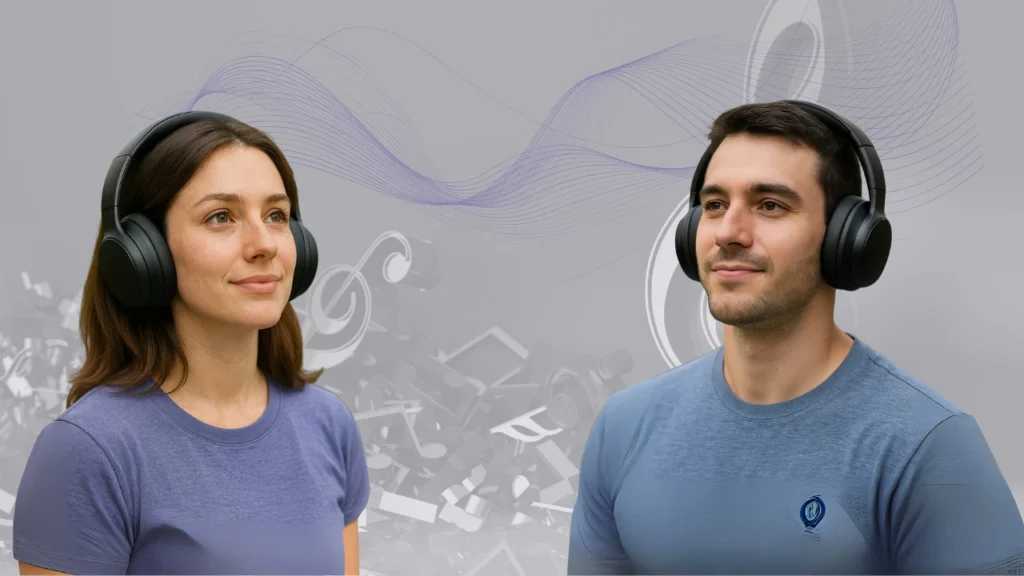
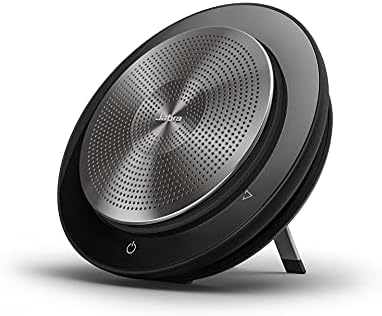
Stay fully focused in deep work zones with advanced noise cancellation!
IoT-Driven Comfort Controls and Immersive Collaboration
The integration of Internet of Things (IoT) technology is transforming modern work environments, particularly in hybrid setups where flexibility and personalization are paramount. With the rise of AI hybrid workspace design, organizations are leveraging smart home office tech that utilizes sensors and systems to monitor and adjust elements like lighting, temperature, and noise levels. This ensures individual comfort, which is essential for promoting productivity and well-being among employees.
Smart sensors detect variations in the work environment, enabling real-time adjustments based on user preferences or pre-set conditions. For instance, an IoT work environment can automatically dim lights or tweak the thermostat when it recognizes that a person is present in a flexible work zone. This type of automation not only enhances comfort significantly but also contributes to energy efficiency, aligning with sustainability goals. Adaptive workspaces driven by analytics allow for personalized adjustments, making the activity-based remote workspace more efficient for every user.
Moreover, effective collaboration in such dynamic environments is paramount. Innovative collaboration tools powered by IoT enable seamless communication and connection among team members, regardless of their geographical location. These tools enhance engagement through immersive capabilities, such as video conferencing with virtual reality features, ensuring that remote employees enjoy an experience akin to being physically present. By fostering interactive discussions and reducing the barriers of distance, organizations can optimize teamwork and creativity.
The integration of these technologies exemplifies the shift toward intelligent workspaces that prioritize employee engagement and comfort. As companies continue to evolve and adapt to such technological advancements, the potential to create truly immersive and productive working environments is substantial. In the future, a comprehensive approach to comfort and collaboration, driven by IoT innovations, seems not only necessary but inevitable.
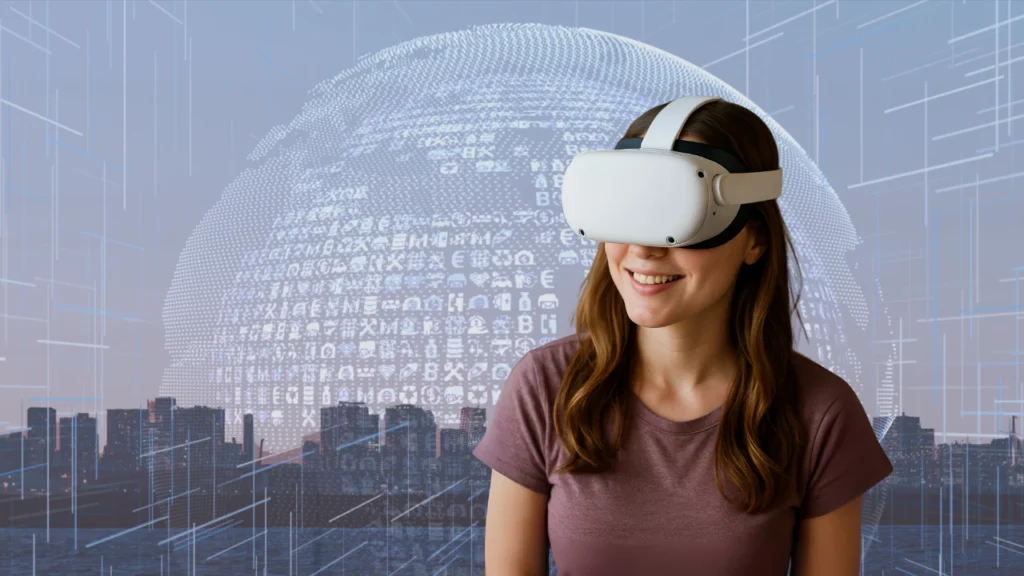
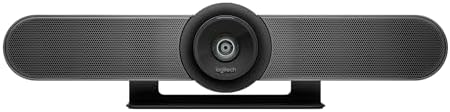
Experience next-level virtual meetings that feel truly interactive!
Creative Solutions for Freelancers: Capitalizing on Trends
As the landscape of work evolves, freelance professionals are increasingly presented with opportunities to leverage AI-enhanced hybrid workspaces. These environments, which incorporate smart home office tech and IoT work environments, empower freelancers to create engaging and interactive offerings that meet the expectations of modern clients. By capitalizing on current trends, freelancers can enhance their services while appealing to an ever-growing audience.
One effective way to stand out is by designing tailored tutorials aimed specifically at remote workers. With the rise of activity-based remote workspaces, individuals are actively seeking knowledge to maximize productivity. Freelancers can utilize AI-powered tools to craft structured, user-friendly tutorials that align with the shifting demands of hybrid work setups. Incorporating engaging video content can make learning processes more enjoyable, and enhanced by interactive elements, such as quizzes or simulations, they can also foster active participation.
Additionally, creating UX demonstrations for smart home office tech can be a beneficial strategy. As many companies look to implement flexible work zone automation, it becomes essential for freelancers to showcase how tech can enhance the work experience. This can be achieved through detailed walkthroughs highlighting key features and benefits, which not only educate clients but also build trust in the freelancer’s expertise. These demonstrations can be shared across social media platforms, allowing freelancers to reach broader audiences and potentially attract new customers.
Another innovative avenue is developing ambient video tours that display the hybrid workspace design seamlessly integrated with technology. Such tours serve as visual narratives, illustrating the coexistence of productivity and comfort in a hybrid environment. By utilizing drone footage or 360-degree video capabilities, freelancers can provide potential clients with an immersive experience that promotes the benefits of adopting these advanced workspaces.
By integrating these creative solutions, freelancers can effectively position themselves within the trends of AI-enhanced hybrid workspaces, ensuring their offerings remain relevant as the future of work continues to unfold.
Ready to level up your workspace with cutting-edge AI integration? Explore the Amazon products listed below and start creating dynamic, intelligent work zones in your home or office today.