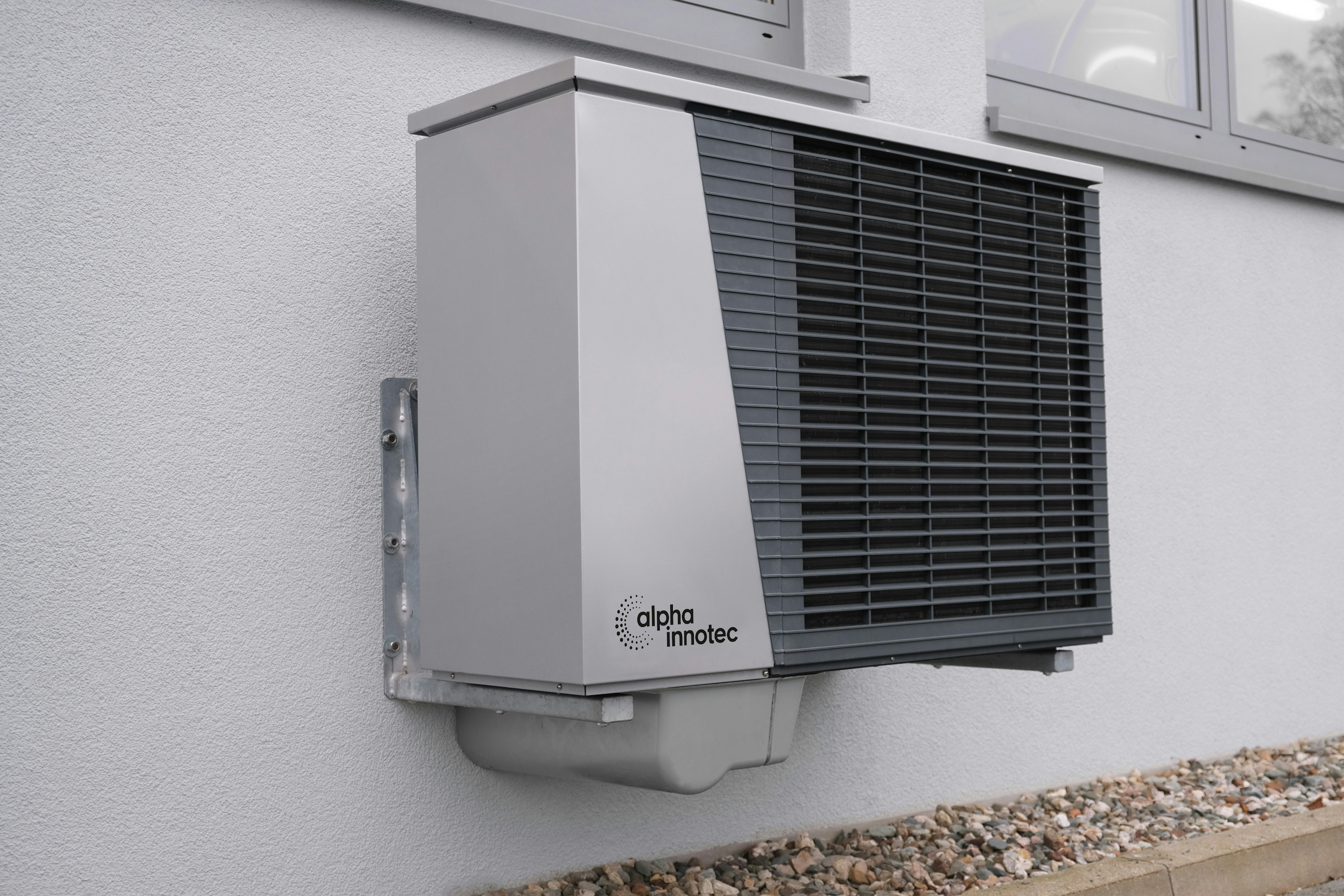
Understanding Heat Pumps: A Sustainable Heating Solution
Heat pumps are versatile devices designed to transfer heat from one place to another, providing both heating and cooling solutions for residential and commercial spaces. By utilizing the principles of thermodynamics, heat pumps extract heat from the environment—such as air, water, or ground sources—and transport it indoors, making them an energy-efficient choice for smart home heating in the UK. This innovative technology not only promotes sustainability but also aligns with the growing demand for energy-efficient solutions in response to climate change and rising energy costs.
The operational efficiency of heat pumps is a significant factor behind their increasing popularity. Unlike traditional heating methods that generate heat through combustion, heat pumps transfer existing heat, allowing them to achieve a performance efficiency that can reach several times that of conventional systems. This is substantiated by the Renewable Heat Incentive (RHI) in the UK, which incentivizes homeowners to adopt renewable heating technologies, such as heat pumps, contributing to the national effort of reducing carbon emissions.
Additionally, heat pumps produce minimal environmental impact compared to fossil fuel-based heating systems. As the UK government transitions towards stricter emissions targets, the adoption of heat pumps aligns with national policies aimed at creating a low-carbon future. Their compatibility with emerging technologies, such as AI heating controls in the UK and the Matter standard for smart devices, amplifies their effectiveness when integrated into smart homes. By utilizing energy-saving heating gadgets, households can optimize their energy usage and reduce utility bills, making heat pumps an economically viable solution as well.
The combination of efficiency, environmental benefits, and governmental support positions heat pumps as a leading trend within the UK heating landscape. With homeowners increasingly prioritizing eco-friendly options, the heat pump UK trend 2025 is poised to gain more traction as part of a broader movement towards smarter, greener living.
The Role of Matter-Standard Devices in Home Automation
The integration of heat pumps into smart home systems is set to become more seamless with the adoption of the Matter connectivity standard. Matter represents a significant advancement in the way smart home devices communicate, aiming to ensure interoperability across various platforms and ecosystems. For homeowners in the UK, adopting smart home heating systems using heat pump technology is increasingly feasible, thanks to this novel standard.
As heat pumps gain traction in the UK, particularly as energy-saving heating gadgets, the importance of interoperability cannot be overstated. Matter serves as a common language for smart home devices, which means that heat pumps can efficiently communicate with other Matter-certified devices. This is a game-changer for users looking to streamline their home automation systems. Integrating heat pumps with smart thermostats, lighting systems, and security devices can significantly simplify user experiences. Homeowners can control their heating more precisely, responding dynamically to changes in energy usage and temperatures.
The Matter standard enhances compatibility among devices, allowing AI heating controls in the UK to work harmoniously with various smart home technologies. Homeowners can formulate customized heating schedules that not only reduce energy costs but also augment the efficiency of their heat pumps. For instance, if a smart thermostat detects that no one is home, it can communicate with the heat pump to adjust the temperature accordingly, preventing unnecessary energy expenditure. Furthermore, as users adopt Matter-standard smart devices, they can rest assured that future upgrades or additions to their systems will maintain compatibility.
Overall, the integration of the Matter standard is pivotal to the future of home automation, especially concerning energy-efficient solutions like heat pumps. This robust framework not only enhances user experience but also aligns perfectly with the growing trend towards smart home heating solutions in the UK, paving the way for innovations that fulfill the energy-saving aspirations of homeowners.
AI-Driven Energy Management and Its Impact on Heating Systems
Artificial intelligence (AI) is revolutionizing energy management in homes, which has significant implications for heating systems such as heat pumps. The integration of AI technology into smart home heating in the UK is becoming increasingly relevant as households seek to optimize their energy consumption while maintaining comfort and efficiency. AI-driven systems can analyze patterns in user behavior, thereby adjusting heating schedules and preferences in real-time. This level of adaptability is particularly beneficial for energy saving heating gadgets in the UK, as they improve efficiency by adjusting to the specific needs of the household.
Moreover, the deployment of AI in heat pump systems allows for predictive maintenance. By continuously monitoring performance metrics and environmental conditions, AI can identify potential issues before they necessitate costly repairs. This proactive approach not only extends the lifespan of heating systems but also ensures they operate at peak efficiency—reducing energy wastage, which is increasingly crucial given the evolving energy landscape in the UK.
The introduction of the Matter standard has made it easier for smart devices to communicate and work together seamlessly within the smart home ecosystem. This compatibility equips AI heating controls in the UK with the capability to coordinate various energy systems, leading to optimized heating scenarios tailored to user habits and preferences. The interconnectedness of smart devices enhances overall home management, furthering the benefits of adopting heat pump UK trends of 2025.
AI’s role in transforming energy consumption doesn’t just stop with efficiency; it fosters a deeper understanding of energy use patterns, paving the way for smarter heating solutions. By leveraging innovative technology, households are not only able to save on energy costs but also contribute to a more sustainable future. In conclusion, the integration of AI within heat management systems represents a significant advancement in how we approach smart home heating in the UK, making energy efficiency both achievable and manageable for everyday users.
Practical Guidance for Homeowners: Upgrading to Smart Heating Solutions
As homeowners and renters in the UK consider the heat pump UK trend 2025, upgrading to smart heating solutions presents an appealing opportunity. The first step in this process involves selecting a heat pump that not only meets energy efficiency standards but also integrates effectively with existing smart home systems. Look for models that are explicitly rated for compatibility with popular smart home platforms, ensuring future-proof installation.
One way to facilitate smart home integration is to explore AI heating controls in the UK. These intelligent systems can adjust heating settings based on real-time data, preferences, and even weather forecasts, optimizing energy consumption. Furthermore, many heat pumps come equipped with Wi-Fi connectivity, enabling homeowners to control their heating systems via dedicated mobile applications. This makes it possible to monitor and manage your heating remotely, enhancing user convenience.
Before finalizing your installation, it is crucial to confirm that other smart devices within your home can cooperate with your chosen heating system. Devices adhering to the Matter standard smart devices framework are designed to work together seamlessly, providing a more cohesive smart home experience. Integration with popular digital assistants such as Alexa UK and Google Home can also offer voice command functionality, allowing for effortless control of your heating settings.
Lastly, consider investing in energy-saving heating gadgets in the UK that complement your heat pump. Smart thermostats and programmable radiators can further enhance the efficiency of your heating system, ensuring that warmth is only used when and where needed. By taking these steps, homeowners can create an effective and user-friendly smart heating solution that aligns with the emerging trends in sustainable energy use.