Introduction to Smart Kitchens
The concept of smart kitchens has emerged as a groundbreaking transformation within the culinary and interior design sectors. As households strive to enhance their cooking experiences, the integration of artificial intelligence (AI) in kitchen environments has grown remarkably popular. Smart kitchens leverage connected countertop charging units, smart cooking automation, and various other technological advancements to streamline cooking processes and enhance efficiency.
At the core of these innovations lies the desire for intuitive kitchen ecosystems that not only facilitate cooking but also promote sustainability. AI-enhanced appliances allow users to monitor and manage their kitchen resources more effectively. For instance, these intelligent systems can suggest recipes based on available ingredients, optimize cooking times, and even control energy consumption, fostering an eco-friendly environment. This represents a significant departure from traditional kitchens, which often rely on manual processes and lack the responsiveness that comes with modern technology.
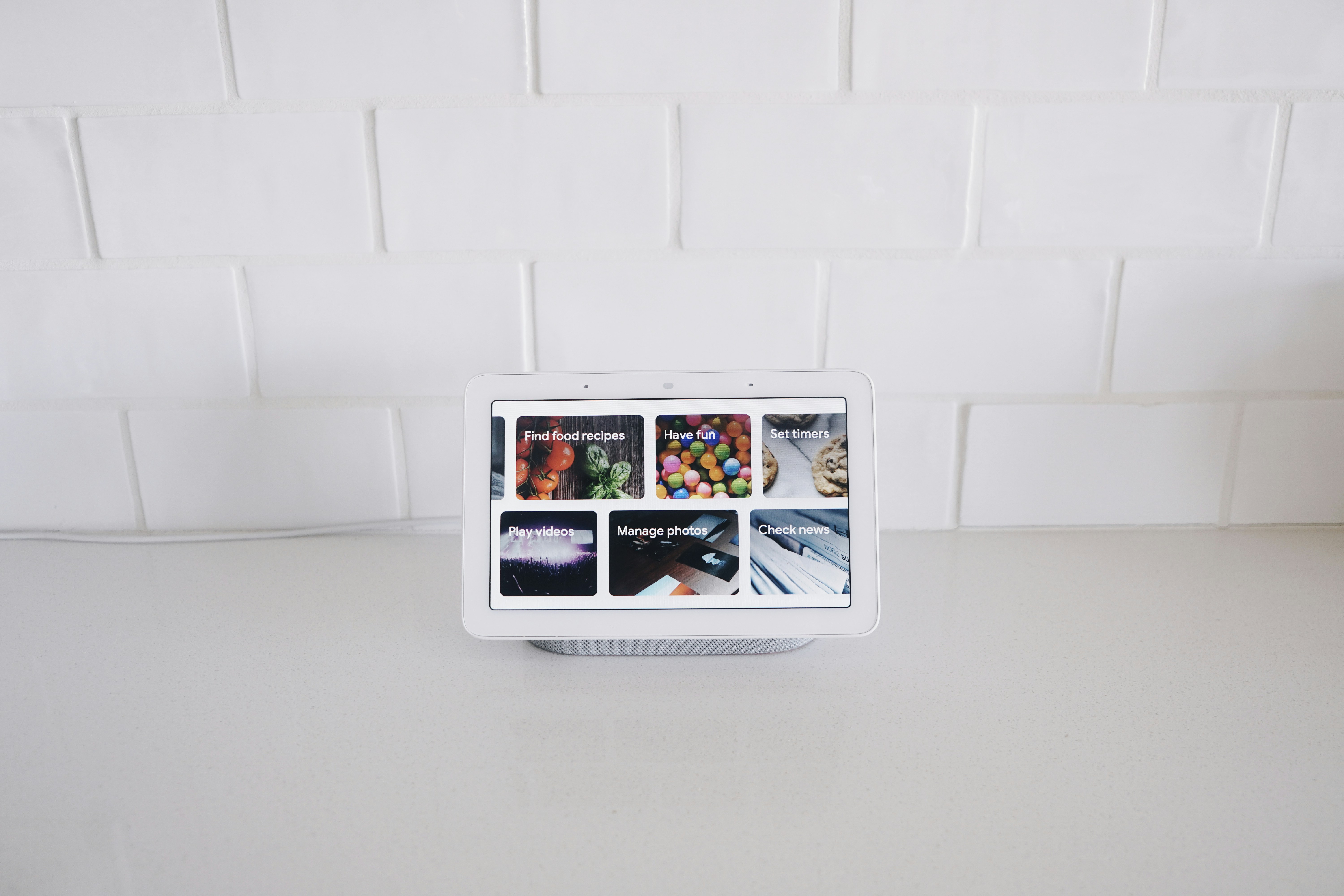
The AI kitchen appliance market continues to expand, with manufacturers introducing new products designed to simplify meal preparation and improve user engagement. Smart ovens that can self-adjust cooking settings based on real-time monitoring, refrigerators equipped with inventory tracking, and smart assistants that provide cooking tips enhance the overall kitchen experience. This new wave of innovation not only makes cooking more accessible but also reinvents the way we interact with our kitchen spaces.
In essence, the integration of AI in kitchen design not only elevates user experience but also positions these environments at the forefront of modern household technology. As we delve deeper into the specific features and benefits of smart kitchens, it becomes clear that the evolution of domestic cooking is intrinsically linked to advancements in artificial intelligence.
✨ Fancy a Proper Bargain? Grab It on Amazon UK
AI-Powered Ovens: The Future of Cooking
AI-powered ovens represent a significant advancement in the realm of smart kitchen innovation, integrating sophisticated technology to enhance the cooking experience. These devices utilize artificial intelligence to analyze various factors, including the type of food, its weight, and desired doneness, to automate and optimize cooking processes. One prominent feature is predictive cooking, which allows ovens to suggest the best cooking methods and times based on real-time data. By leveraging intuitive kitchen ecosystems, these ovens offer personalization options that cater to individual cooking styles and preferences.
Temperature control in AI-powered ovens is another game-changing aspect, ensuring that dishes are cooked to perfection. The smart sensors regulate the heat and cooking time, which minimizes the risk of overcooking or burning food. This control not only enhances the overall quality of meals but also contributes to energy efficiency—an essential feature, particularly in today’s eco-conscious environment. This energy-efficient cooking capability is crucial, as it aligns with the increasing demand for sustainable home appliances within the ai kitchen appliance market.
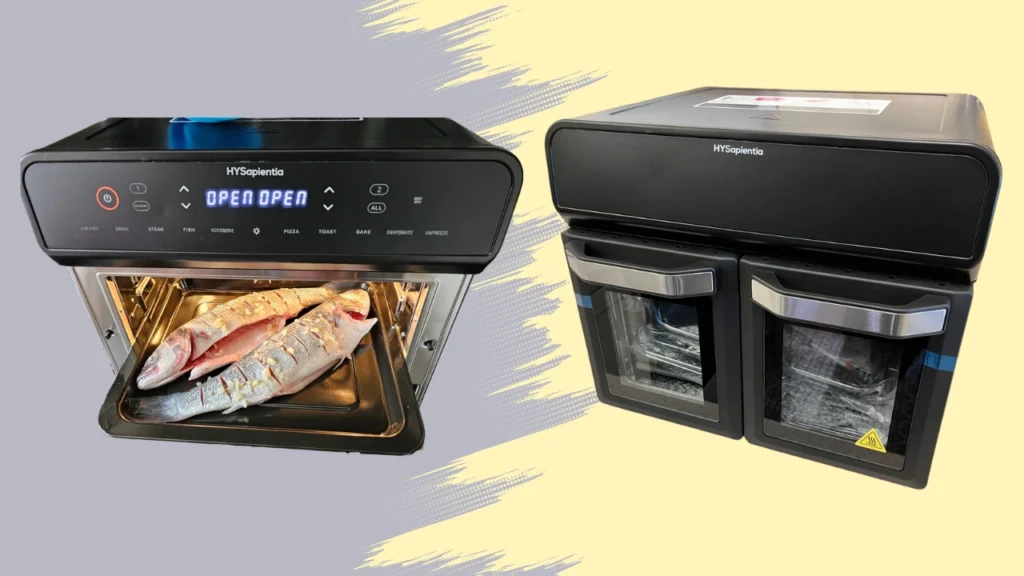
For example, popular models like the June Oven and the Tovala Smart Oven combine sleek designs with smart cooking automation to provide users with numerous cooking options. These ovens allow for various cooking methods, including baking, broiling, and air frying, all while providing personalized recipe suggestions that can transform any meal into a culinary delight. By integrating connected countertop charging, they can also sync with other smart devices, ensuring a seamless culinary experience. As such innovations continue to evolve, the future of cooking is poised to become even more sophisticated, highlighting the importance of AI in shaping the kitchens of tomorrow.
✅ Get Yours Before It’s Gone – Next Day Delivery Available!
Connected Appliances: Anticipating User Needs
Connected appliances represent a significant leap in the evolution of kitchen technology, as they are designed to communicate and collaborate in ways that enhance the overall cooking experience. These innovations are central to the growing AI kitchen appliance market, which focuses on integrating smart technology into everyday culinary tasks. By leveraging remote control features, users can manage their appliances from anywhere, ensuring convenience and efficiency.
One of the most notable benefits of connected appliances is their ability to provide smart notifications. For instance, a refrigerator can alert users when fresh produce is running low or remind them of upcoming expiration dates. Such proactive communication helps streamline grocery shopping, allowing users to maintain a well-stocked kitchen without the last-minute rush to the store. This vital aspect of smart cooking automation not only saves time but also encourages healthier eating habits by ensuring essential ingredients are always available.
Moreover, these appliances can analyze user habits and preferences, promoting a more intuitive kitchen ecosystem. Through machine learning algorithms, connected devices can adapt to a user’s culinary style, recommending recipes based on prior choices or even suggesting meal plans tailored to dietary needs. For instance, a smart oven may adjust cooking times and temperatures automatically based on the recipe instructions received from a connected smartphone app. These features exemplify the potential of AI smart kitchen innovation to revolutionize the way individuals interact with their cooking environments.
Overall, the combination of automation and intelligent connectivity paves the way for an entirely new cooking experience. As intuitive kitchen ecosystems continue to evolve, users can anticipate a level of engagement and support previously unseen in traditional kitchen settings, ultimately transforming culinary practices for the better.

- 【Better Coffee Taste】 The coffee machine with advanced shower head technology delivers controlled flow and even distribu…
- 【Wake Up To Fresh Filtered Coffee】 With the 24 hour digital programmable timer of the filter coffee maker, you can drink…
- 【Keep Warm & Anti-drip Function】 After the drip coffee machine brews a fresh carafe of coffee, it will keep the coffee w…
Hidden Charging Surfaces: The New Design Element
In the realm of contemporary kitchen design, one emergent trend that speaks to both aesthetics and functionality is the implementation of hidden charging surfaces. These innovative additions seamlessly integrate into existing countertops, providing a discreet yet efficient solution for charging kitchen gadgets and smart appliances. As the kitchen evolves into an intuitive ecosystem, incorporating features like connected countertop charging becomes essential in creating a clutter-free environment.
One of the primary benefits of hidden charging surfaces lies in their ability to reduce visual clutter. Traditional charging solutions often result in tangled cords and unsightly plugs, detracting from the overall design. In contrast, integrating charging capabilities directly into the countertop maintains a sleek and sophisticated appearance. For instance, manufacturers are now offering quartz and granite surfaces embedded with wireless charging technology that are fully compatible with various devices. This trend reflects a merging of form and function, contributing to a more organized and efficient kitchen landscape.
Smart cooking automation stands at the forefront of the ai kitchen appliance market, and the inclusion of hidden charging surfaces exemplifies this advancement. By ensuring that devices such as smart blenders, phones, and tablets remain charged and accessible, these culinary spaces can operate more efficiently. As a result, cooking becomes a more engaging experience, enhanced by the connectivity offered by innovative appliances. A user might find themselves effortlessly engaging with an AI-driven recipe app on their device—propped on a countertop that doubles as a charging station—creating a harmonious workflow.
Ultimately, these hidden charging surfaces are not just practical, but they also embody the philosophy of modern kitchen design, where intuitive kitchen ecosystems thrive. The blend of style and technology emphasizes a future where kitchen innovations not only support culinary endeavors but do so in a manner that is visually pleasing and space-efficient.
Intuitive Ecosystems: Creating a Seamless Experience
The emergence of AI smart kitchen innovation has fundamentally transformed the culinary environment, primarily through the development of intuitive kitchen ecosystems. These ecosystems are designed to enable seamless interaction among various kitchen appliances and devices, fostering an integrated cooking experience. At the heart of these innovations is the concept of interconnected appliances, which allows users to control functions remotely through a central hub or mobile application.
The integration of connected countertop charging stations is one hallmark of these smart environments. These devices not only power kitchen gadgets but also facilitate communication between appliances, ensuring they work harmoniously. Users can manage their kitchen with just a few taps on their smartphones, controlling everything from ovens to refrigerators. This convenience promotes a more efficient workflow, as the user is empowered to monitor cooking times and temperatures while attending to other tasks within the home.
Moreover, smart cooking automation fundamentally enhances user experience by minimizing the manual tasks often associated with preparing meals. Devices equipped with AI capabilities can learn from user preferences, anticipate cooking needs, and suggest recipes that align with ingredients available. This feature transforms the cooking process from a routine chore into an enjoyable and engaging experience.
The thoughtful design of user interfaces plays a crucial role in the success of these intuitive kitchen ecosystems. A well-designed interface should prioritize usability, ensuring that users can easily navigate through various features and settings without feeling overwhelmed. The strategic placement of control options, clear visual cues, and compatibility with voice command technology collectively contribute to an accessible experience for all users.
In conclusion, the integration of AI smart kitchen innovations into intuitive ecosystems has revolutionized the cooking landscape. By interconnecting appliances and offering user-friendly interfaces, these advancements significantly enhance the overall kitchen experience, empowering individuals to explore culinary creativity with greater ease and confidence.
Actionable Design Tips for Smart Kitchens
In the modern culinary landscape, the integration of AI smart kitchen innovations holds the potential to revolutionize the cooking experience. When designing a smart kitchen, it is essential to consider how layout, technology integration, and aesthetic appeal can work in harmony to create an intuitive kitchen ecosystem. Here are some actionable design tips to guide creatives seeking to incorporate these advanced elements into their kitchen space.
Firstly, the layout of the kitchen plays a crucial role. Opt for an open-plan design that facilitates interaction among family members while cooking. This layout can be enhanced by connected countertop charging stations, ensuring all smart devices are easily accessible and powered. Strategically positioning appliances such as smart ovens, refrigerators, and dishwashers within reach will streamline the cooking process and improve workflow. An effective design should allow for seamless movement between cooking areas, ensuring the kitchen remains functional as well as stylish.
Next, technology integration should be approached thoughtfully. Incorporating smart cooking automation, such as programmable ovens and connected appliances, not only enhances efficiency but also allows for a tech-savvy living experience. Choose appliances that offer connectivity options and can be easily controlled via smartphones or voice assistants. Such features not only promote convenience but also deliver a futuristic touch to the overall design.
Aesthetic appeal is another integral aspect of a well-designed smart kitchen. By selecting materials and colors that reflect your personal style, you can create a cohesive look that complements advanced technologies. A minimalist design utilizing sleek surfaces can highlight the beauty of smart kitchen features while simplifying maintenance. Utilize materials such as quartz or stainless steel, which seamlessly integrate with the aesthetics of modern AI kitchen appliance markets.
Ultimately, by carefully considering layout, technology integration, and aesthetic appeal, anyone can achieve a kitchen that embraces the essence of AI-enhanced innovations while remaining stylish and functional.
Showcasing Smart Kitchen Makeovers with Video Content
Video content has become an invaluable tool for documenting and presenting the transformation of smart kitchens. In an era defined by ai smart kitchen innovation, showcasing these advanced designs through engaging visuals is essential. Start by planning a storyboard that emphasizes the core features of the renovation, such as connected countertop charging stations, smart cooking automation, and other cutting-edge elements that redefine the kitchen experience. Highlight these features in a way that tells a compelling story, illustrating not just the aesthetic upgrades but also the functionality and convenience that new technologies bring.
When filming, consider the sequence of shots that will best capture the project. Begin with a before-and-after comparison, clearly depicting the kitchen’s evolution. Use time-lapse techniques to condense lengthy renovation processes, enabling viewers to appreciate the transition in a matter of seconds. Ensure to incorporate close-ups of smart appliances and intuitive kitchen ecosystems, allowing the audience to see the intricate details that contribute to the overall appeal and efficiency of the new design. Engaging commentary that explains the benefits of specific features, like the impact of the ai kitchen appliance market on everyday cooking, adds an informative layer that boosts viewer understanding.
Moreover, ensure the video content is optimized for social media sharing. Quick cuts, engaging visuals, and informative graphics can help attract wider audiences across platforms like Instagram, TikTok, and YouTube. Leverage these platforms to encourage interaction by inviting comments and feedback. The incorporation of tutorials or demonstrations of smart cooking automation will not only showcase the capabilities of the kitchen but also engage viewers in a dialogue about their experiences and expectations. Ultimately, your video content should present an engaging narrative that highlights the merits of embracing ai-enhanced design, ensuring that the audience can appreciate the appealing visuals along with the intelligent functionality of modern kitchens.
Sustainability in Smart Kitchen Design
The emergence of AI-smart kitchen innovations is revolutionizing not only the way we cook but also how we approach sustainability in our homes. As environmental concerns continue to escalate, the demand for sustainable solutions within the kitchen has grown significantly. AI-driven appliances are at the forefront of this movement, providing a myriad of benefits that contribute to energy conservation and waste reduction. By integrating smart cooking automation into kitchen designs, these innovations enable users to optimize energy usage. For instance, appliances equipped with AI can learn user habits and provide data-driven recommendations for energy-efficient cooking times and methods.
Another remarkable feature of contemporary kitchen designs is the focus on waste reduction. AI technology is capable of monitoring food storage and providing reminders for expiration dates, which helps minimize food waste. Furthermore, intuitive kitchen ecosystems can suggest recipes based on available ingredients, encouraging consumers to utilize leftovers and thereby reducing unnecessary waste. This approach not only aligns with sustainable practices but also promotes healthier eating habits by utilizing locally sourced ingredients, which can further reduce the carbon footprint associated with transportation.
Several case studies exemplify the successful implementation of sustainable practices in modern kitchen designs. For example, a recent project showcased a smart kitchen that incorporated connected countertop charging stations powered by renewable energy sources. This design not only facilitated the use of smart kitchen appliances but also encouraged users to adopt eco-friendly practices without compromising convenience. Additionally, the AI kitchen appliance market has seen an increase in products designed specifically to reduce energy consumption, demonstrating a clear shift towards more sustainable kitchen solutions.
By embracing these innovations, homeowners can create a green kitchen environment that is efficient, practical, and environmentally responsible. The integration of AI into kitchen design not only enhances functionality but also fosters a commitment to sustainability that aligns with contemporary values.
The Future of Smart Kitchens: Trends to Watch
The integration of AI technology within the kitchen environment heralds a transformative shift in culinary practices. As we look ahead, several noteworthy trends are shaping the future of smart kitchens. Among these advancements, the emergence of AI smart kitchen innovation stands central, fostering a seamless interaction between everyday users and technology. This evolution is reflected in the increased demand for intuitive kitchen ecosystems that streamline operations and enhance user experience.
One prominent trend is the proliferation of smart cooking automation. With appliances becoming more intelligent and interconnected, cooking processes can now be significantly simplified. Imagine a scenario where a meal can be prepped and cooked with minimal user input, thanks to an array of connected kitchen devices that communicate and collaborate efficiently. Such advancements not only elevate cooking convenience but also pave the way for a more engaged cooking experience.
Additionally, the market for AI kitchen appliances is witnessing an influx of innovative products aimed at catering to the robust consumer demand for efficiency and smart technology. Connected countertop charging stations, for instance, support the operation of multiple devices, creating a centralized hub for all kitchen activities. These advancements not only facilitate a more organized cooking environment but also represent an essential step toward sustainability through energy-efficient designs.
However, as smart kitchens evolve, certain challenges must also be addressed. Cybersecurity risks associated with internet-connected devices may pose threats to users’ safety, necessitating robust security measures in smart kitchen infrastructure. Moreover, the digital divide could amplify disparities in access to such innovations, affecting how different demographics experience and benefit from these advancements. Therefore, as we progress into this dynamic realm of culinary technology, it becomes crucial for consumers and manufacturers alike to navigate these trends thoughtfully and responsibly.
In conclusion, the future of smart kitchens is filled with potential, bolstered by AI technology and innovative design. As these trends continue to evolve, they promise to reshape how we perceive cooking and kitchen functionalities in ways we have yet to fully imagine.
Ready to infuse your kitchen with the latest AI smart tech? Scroll down to explore featured Amazon products that bring automation, ambience, and efficiency to your countertop—and elevate your creative showcase today.


